What is Laparoscopic Cholecystectomy?
Laparoscopic cholecystectomy is a type of minimally invasive surgery. Doctors use it to remove the gallbladder. The gallbladder is a small organ under your liver. It stores bile, which helps digest fat. Many people need gallbladder removal because of gallstones or other problems. In this surgery, doctors use small cuts and special tools. As a result, recovery is often quicker than with open surgery.
Why is Laparoscopic Cholecystectomy Performed?
Doctors recommend laparoscopic cholecystectomy for several reasons. Most often, it treats gallstones that cause pain or infection. Sometimes, the gallbladder becomes inflamed or infected. In rare cases, doctors remove it due to growths or polyps. If you have symptoms like severe belly pain, nausea, or vomiting, your doctor may suggest this surgery. Early treatment can prevent serious problems, such as blocked bile ducts or infection.
How is the Procedure Done?
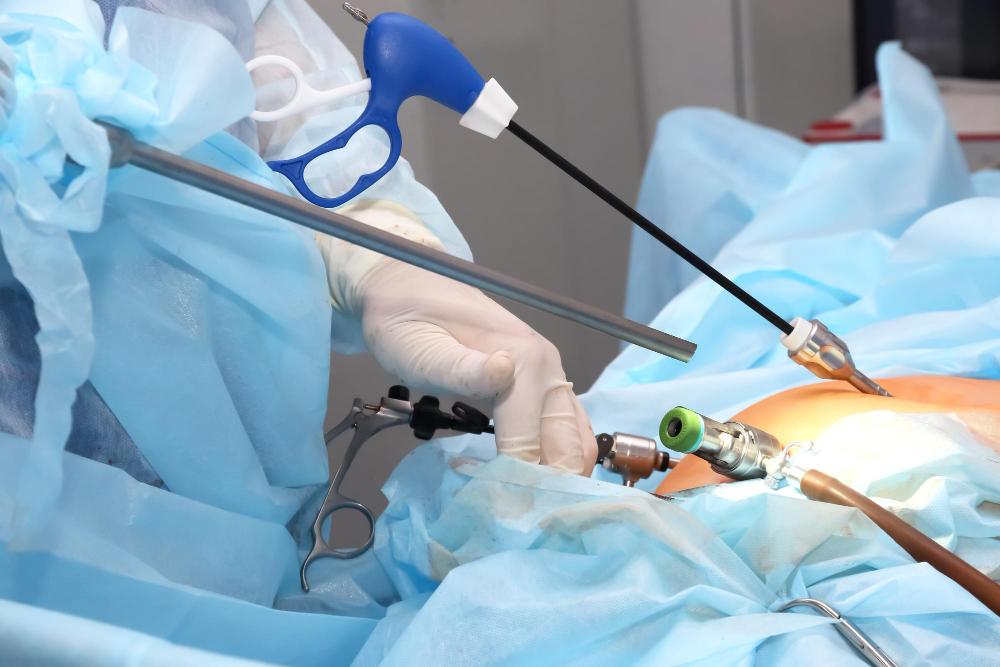
During laparoscopic cholecystectomy, the surgeon makes a few small cuts in your belly. Next, a thin tube with a camera, called a laparoscope, goes through one cut. The camera sends pictures to a screen. Then, the surgeon uses special tools to remove the gallbladder through another small cut. Because the cuts are small, there is less pain and scarring. Most people go home the same day or the next day. According to the CDC, this method is safe and common.
Benefits of Laparoscopic Cholecystectomy
Laparoscopic gallbladder surgery offers many advantages. First, recovery is usually faster than with open surgery. Also, you may have less pain and a lower risk of infection. Because the cuts are small, scars are less noticeable. Many people return to normal activities within a week. In addition, hospital stays are shorter, which lowers costs and reduces stress.
Risks and Possible Complications
Although laparoscopic cholecystectomy is safe, every surgery has risks. Some people may have bleeding or infection. Rarely, injury to nearby organs or bile ducts can happen. Sometimes, doctors may need to switch to open surgery if problems arise. You may also feel shoulder pain from the gas used during the procedure. However, most side effects are mild and go away quickly.
If you notice fever, severe pain, or yellowing of the skin, contact your doctor right away.
Recovery and Aftercare Tips
After laparoscopic cholecystectomy, most people recover quickly. You may feel sore for a few days. However, walking and light activity help speed up healing. Follow your doctor’s advice about diet and activity. Usually, you can eat a normal diet soon after surgery. But, some people may need to avoid fatty foods at first. Drink plenty of water and rest as needed. If you have questions, ask your healthcare team.
Prevention and Lifestyle Guidance
While not all gallbladder problems can be prevented, healthy habits may help. Eating a balanced diet and staying active can lower your risk. Try to maintain a healthy weight. If you have a family history of gallstones, talk to your doctor. After gallbladder removal, most people live normal lives. However, some may notice changes in digestion. If you have ongoing symptoms, let your doctor know.
In summary, laparoscopic cholecystectomy is a safe and effective way to treat gallbladder problems. For personalized advice, consult a qualified surgeon about laparoscopic cholecystectomy.