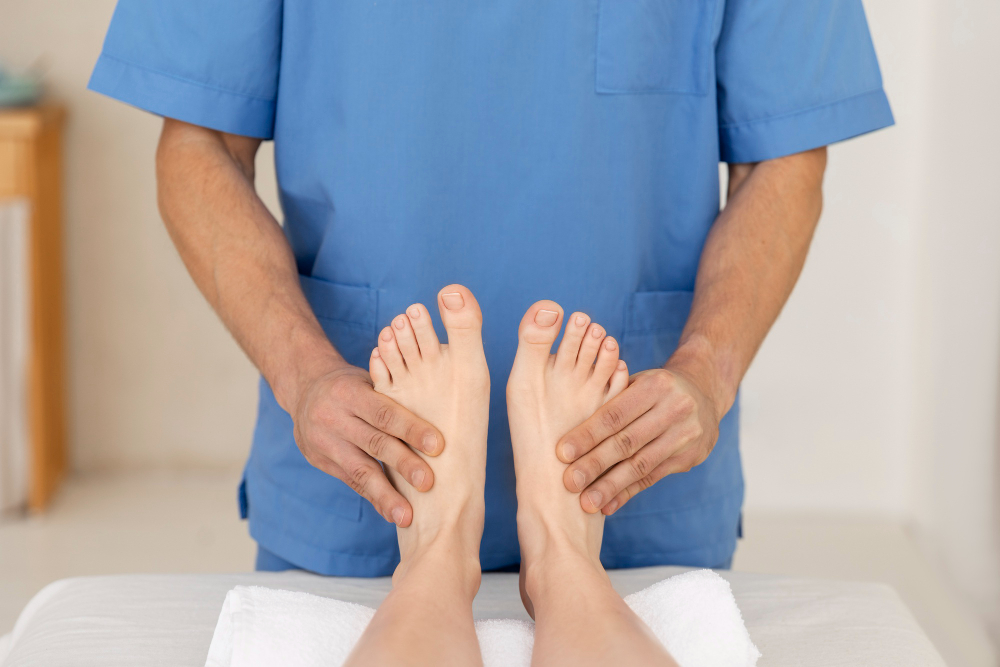
What Are Pressure Ulcers?
Pressure ulcers, also called bed sores or pressure sores, are injuries to the skin and tissue. They happen when a person stays in one position for too long. This can cut off blood flow to the skin. As a result, the skin and tissue can break down. Pressure ulcers are common in people who are bedridden or use a wheelchair. They can cause pain and lead to serious infections if not treated early. Understanding pressure ulcers is important for prevention and care at home.
Common Causes and Risk Factors
Many things can cause pressure ulcers. However, some people are at higher risk. Knowing these causes and risks helps with bed sores prevention.
Staying in one position for a long time
Limited movement due to illness or injury
Thin or fragile skin, often seen in older adults
Poor nutrition or dehydration
Moisture from sweat, urine, or stool
Medical conditions like diabetes or poor blood flow
For example, people in hospitals or nursing homes need extra care to avoid pressure ulcers. In some locations, hot weather can increase sweating, raising the risk of skin breakdown.
Early Signs and Symptoms
Early detection is key for pressure sore treatment. Watch for these signs:
Red or discolored skin that does not fade when pressed
Swelling or tenderness in one area
Warmth or coolness compared to nearby skin
Blisters or open sores
Pain or itching in the affected spot
If you notice any of these symptoms, act quickly. Early care can stop the sore from getting worse.
Prevention Strategies
Preventing pressure ulcers is possible with simple daily steps. Here are some proven strategies for how to avoid pressure ulcers at home:
Reposition Often: Change position every two hours if in bed, or every 15 minutes if in a wheelchair.
Use Cushions: Place pillows or foam pads under bony areas like heels and elbows.
Keep Skin Clean and Dry: Gently wash and dry skin daily. Use moisture barriers if needed.
Check Skin Daily: Look for redness, swelling, or sores, especially on the back, hips, and heels.
Eat Well: Good nutrition helps skin heal. Include protein, vitamins, and enough fluids.
In addition, ask your healthcare provider about special mattresses or seat cushions for extra protection.
Medical Management and Treatment Options
When pressure ulcers develop, medical management is important. Treatment depends on the stage and severity of the sore. Here are common steps:
Wound Care: Clean the sore with mild soap and water. Cover with a clean, moist dressing.
Dressings: Use special dressings that keep the wound moist and protect it from infection.
Medications: Sometimes, doctors prescribe antibiotics if there is an infection.
Pain Relief: Over-the-counter pain medicine can help with discomfort.
Specialist Help: See a wound care nurse or doctor for deep or non-healing sores.
For advanced cases, surgery may be needed. However, most pressure ulcers heal with proper care and attention.
Home Care Tips and Lifestyle Guidance
Managing pressure ulcers at home is possible with the right steps. Try these tips for better healing and prevention:
Keep bedding clean and wrinkle-free
Wear loose, soft clothing to reduce friction
Stay active as much as possible, even gentle movements help
Drink plenty of water to keep skin healthy
Ask family or caregivers to help with regular skin checks
Additionally, follow your doctor’s advice for wound care and nutrition. If you notice new sores or signs of infection, seek help right away.
Frequently Asked Questions (FAQ) about Pressure Ulcers
Who is most at risk for pressure ulcers?
People who are bedridden, use wheelchairs, or have limited movement are at higher risk.
Can pressure ulcers be cured at home?
Early-stage sores can often heal at home with good care. However, deep or infected sores need medical attention.
How long does it take for a pressure ulcer to heal?
Healing time varies. Small sores may heal in days, while deeper ones can take weeks or months.
What foods help prevent pressure ulcers?
Foods rich in protein, vitamins C and E, and zinc support skin health.
When should I see a doctor?
If a sore is deep, not healing, or shows signs of infection like pus or fever, see a healthcare provider.
Pressure ulcers can be serious, but most can be prevented with daily care and attention. For personalized advice on preventing and managing pressure ulcers, consult a healthcare professional.