
Laparoscopic Hernial Repair: Procedure, Benefits, and Recovery

Introduction to Laparoscopic Hernial Repair

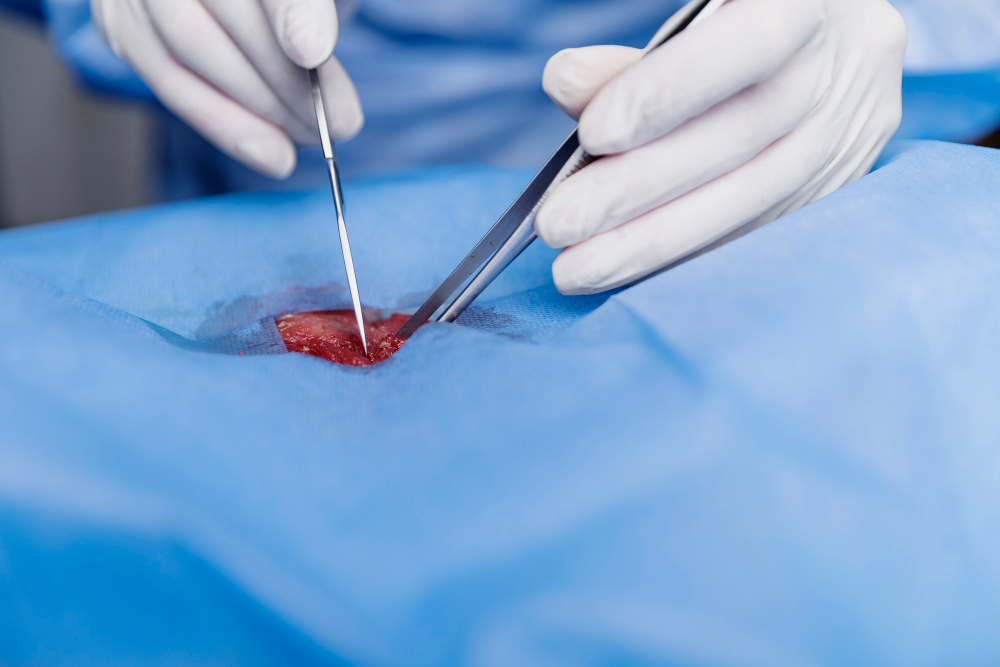
Laparoscopic hernial repair is a modern, minimally invasive surgery used to fix hernias. A hernia happens when an organ or tissue pushes through a weak spot in the muscle. This procedure uses small cuts and a camera to repair the hernia. Because of this, many people choose laparoscopic hernial repair for faster healing and less pain. Doctors often recommend this surgery for its safety and quick recovery.

Common Symptoms and Causes of Hernias

Hernias can cause discomfort and other symptoms. However, some people may not notice any signs at first. Knowing the symptoms and causes can help you seek care early.

  • Visible bulge or lump in the abdomen or groin
  • Pain or discomfort, especially when lifting or bending
  • Feeling of heaviness or pressure
  • Burning or aching at the bulge site
  • Weakness in the affected area
  • Several factors can cause hernias, such as:

  • Heavy lifting or straining
  • Chronic coughing or sneezing
  • Obesity
  • Pregnancy
  • Previous surgeries
  • Family history of hernias
  • How Laparoscopic Hernial Repair Is Performed

    Doctors use special tools and a tiny camera for this surgery. Here is a simple step-by-step overview:

  • First, the patient receives anesthesia to stay comfortable.
  • Next, the surgeon makes a few small cuts in the abdomen.
  • Then, a thin tube with a camera (laparoscope) goes through one cut.
  • After that, the surgeon inserts tools through the other cuts.
  • The hernia is gently pushed back into place.
  • A mesh patch is placed to strengthen the muscle wall.
  • Finally, the surgeon closes the small cuts with stitches or glue.
  • This method allows for a quicker and less painful recovery compared to open surgery.

    Benefits of Laparoscopic Surgery Compared to Open Surgery

    Laparoscopic hernial repair offers many advantages. For example, patients often experience:

  • Smaller scars and less visible marks
  • Less pain after surgery
  • Shorter hospital stays
  • Faster return to normal activities
  • Lower risk of infection
  • Reduced blood loss during surgery
  • Because of these benefits, many people prefer minimally invasive hernia surgery. In addition, doctors find it safer for most patients.

    Risks and Potential Complications

    While laparoscopic hernial repair is generally safe, every surgery has risks. It is important to know possible complications, such as:

  • Bleeding or infection at the surgery site
  • Injury to nearby organs or tissues
  • Hernia coming back (recurrence)
  • Pain or numbness in the area
  • Problems with the mesh patch
  • However, serious problems are rare. Most people recover well with proper care. Always follow your doctor’s advice to lower your risk.

    Recovery Process and Aftercare Tips

    After laparoscopic hernial repair, most patients go home the same day. Recovery is usually quick, but you should take some steps to heal well.

  • Rest for a few days and avoid heavy lifting
  • Take pain medicine as prescribed
  • Keep the surgery area clean and dry
  • Watch for signs of infection, like redness or swelling
  • Follow up with your doctor as scheduled
  • Eat a healthy diet to support healing
  • Most people return to normal activities within one to two weeks. However, always check with your doctor before resuming exercise or work.

    Prevention Tips for Hernias

    Although not all hernias can be prevented, you can lower your risk. Try these simple tips:

  • Maintain a healthy weight
  • Use proper lifting techniques
  • Avoid straining during bowel movements
  • Treat chronic coughs or sneezing quickly
  • Exercise regularly to strengthen muscles
  • Eat a fiber-rich diet to prevent constipation
  • By following these steps, you can help protect your body from hernias.

    Frequently Asked Questions (FAQs) About Laparoscopic Hernial Repair

  • Is laparoscopic hernial repair safe?
  • Yes, it is considered safe for most people. However, talk to your doctor about your specific health needs.
  • How long does the surgery take?
  • Usually, the procedure lasts about one to two hours.
  • Will I have scars?
  • There will be small scars, but they are usually less noticeable than those from open surgery.
  • When can I return to work?
  • Most people return to work within one to two weeks, depending on the job and recovery.
  • Can hernias come back after surgery?
  • While rare, hernias can return. Following aftercare advice lowers this risk.
  • Conclusion

    Laparoscopic hernial repair is a safe and effective way to treat hernias. Because it is minimally invasive, recovery is often faster and less painful. If you have symptoms of a hernia, seek medical advice early. Consult a qualified surgeon for personalized advice on laparoscopic hernial repair.